
Where the story of British Ceylon still remains
The Walk
The hill around the house holds fragments of a different Sri Lanka, British administration, coastal defence, the old harbour, the lighthouse, and stories that have remained with a glimpse into the past.
01
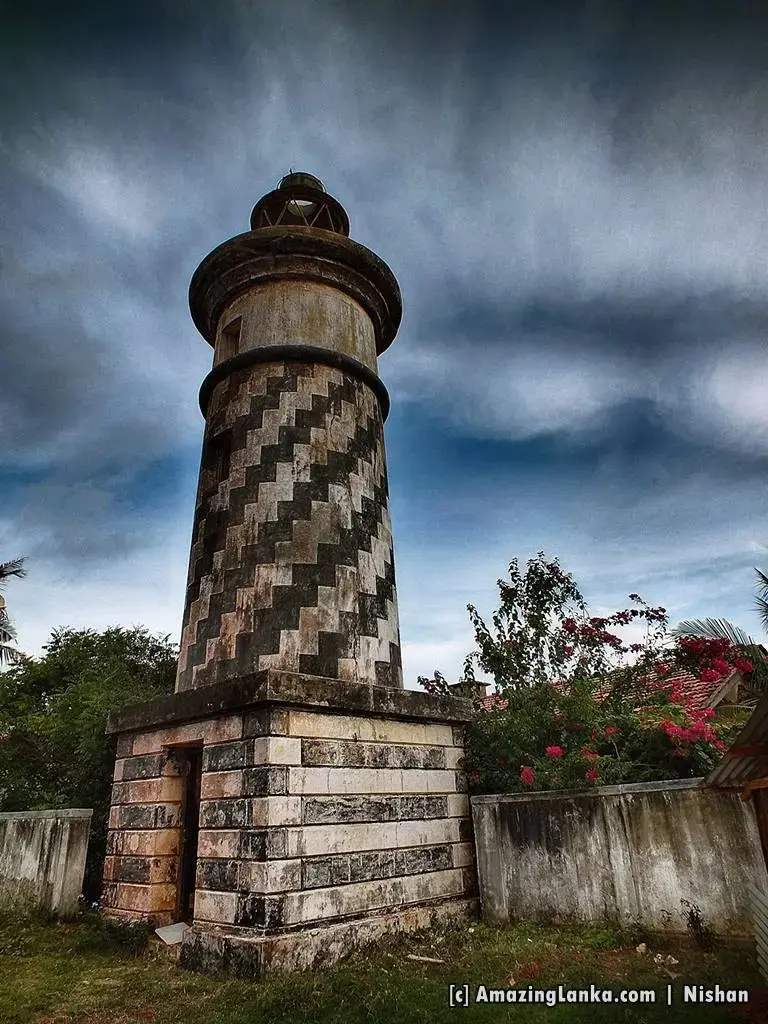
The Lighthouse
Built during the colonial era, Hambantota's lighthouse has watched over the coast for more than a century.
Once a working light for ships approaching the harbour, it now stands as one of the area's most recognisable historic landmarks.
02
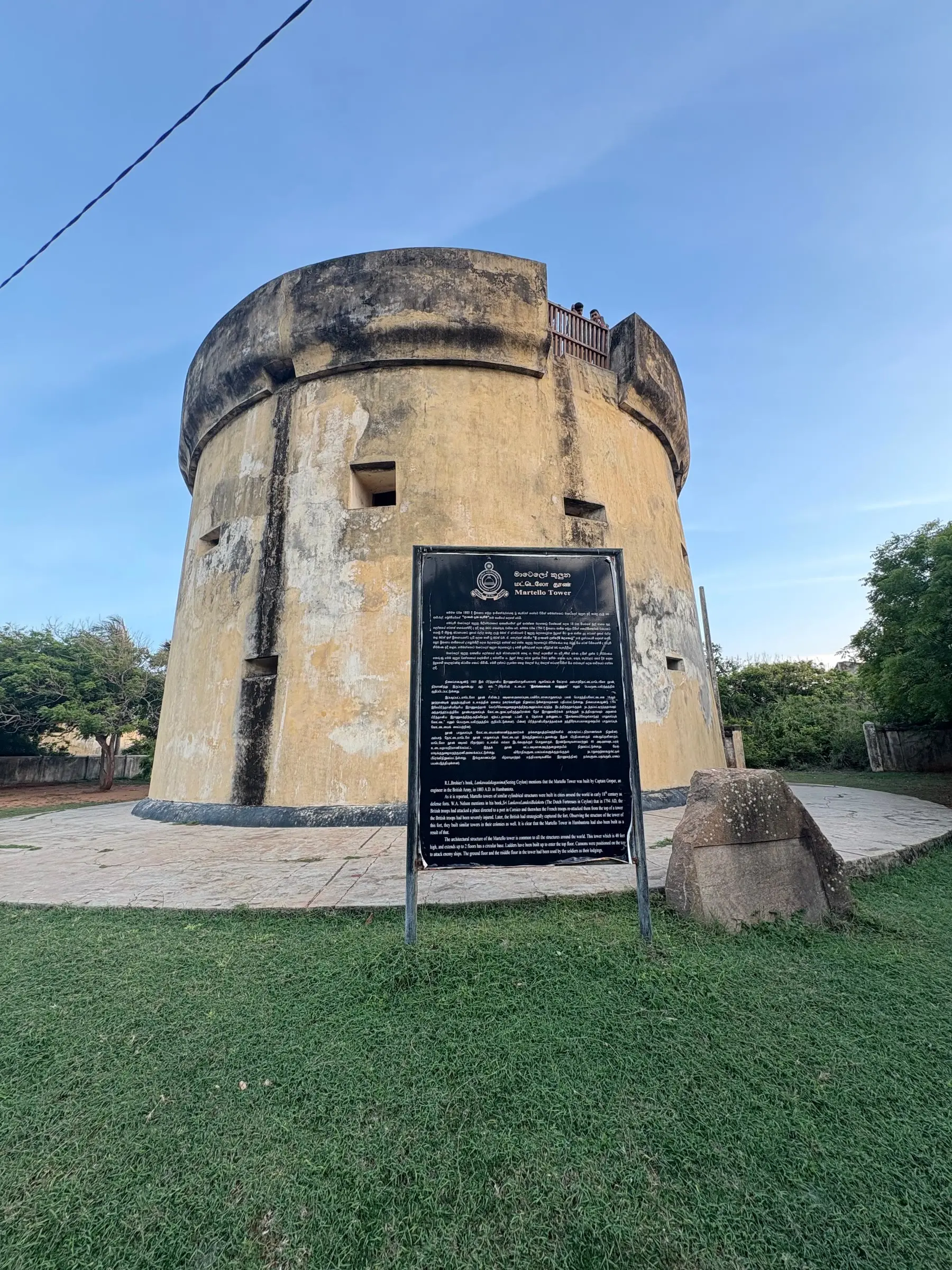
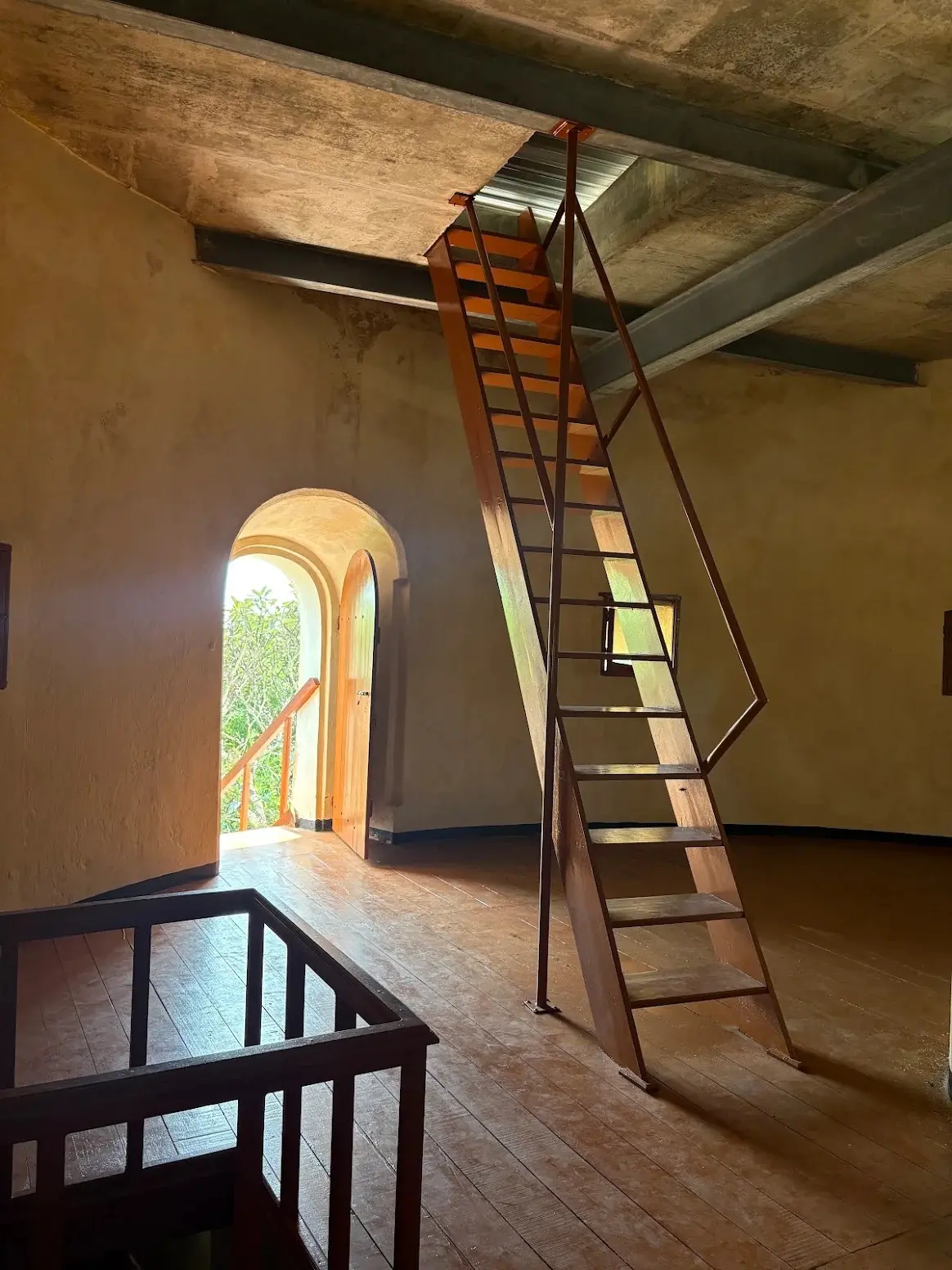
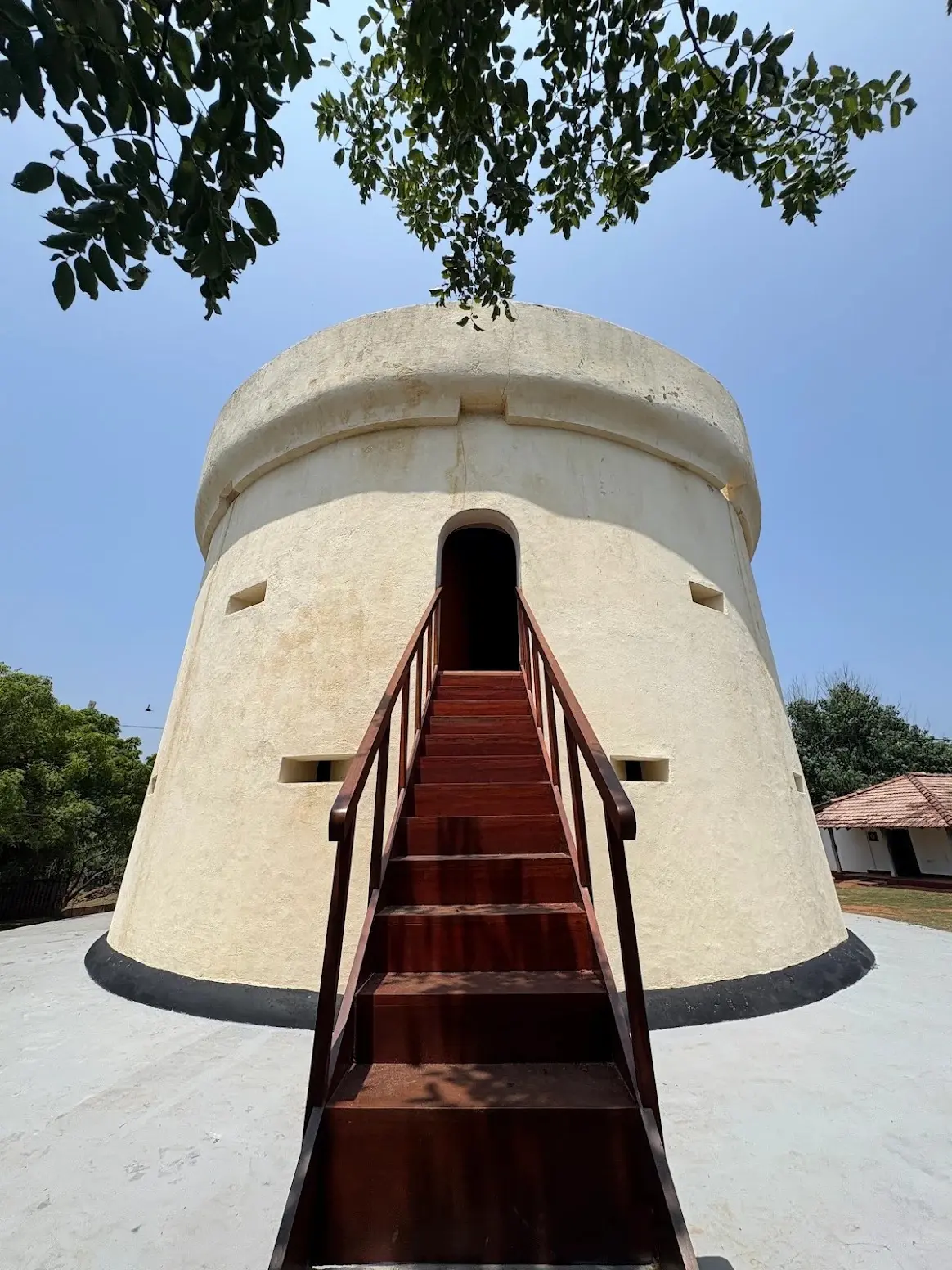
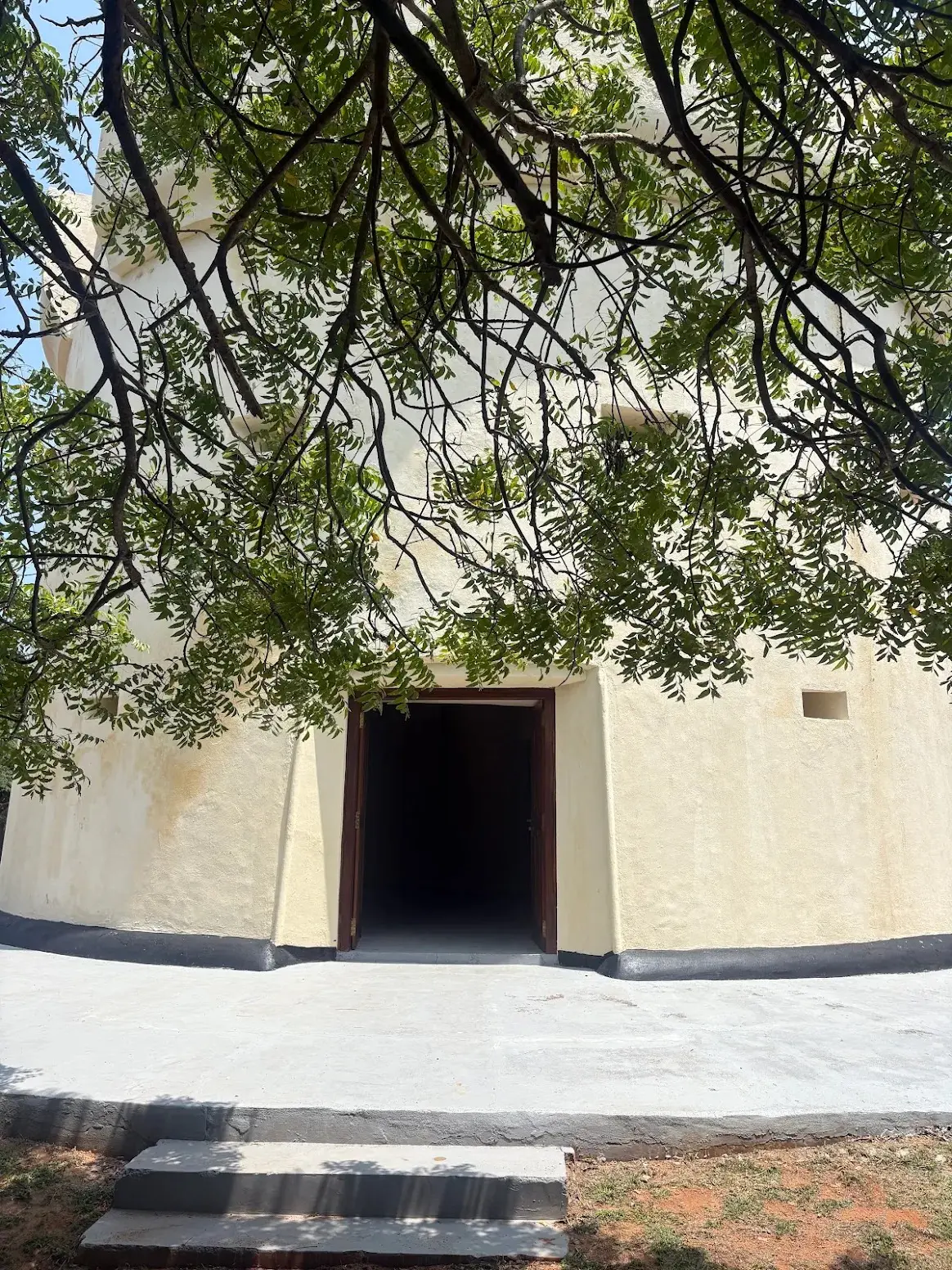
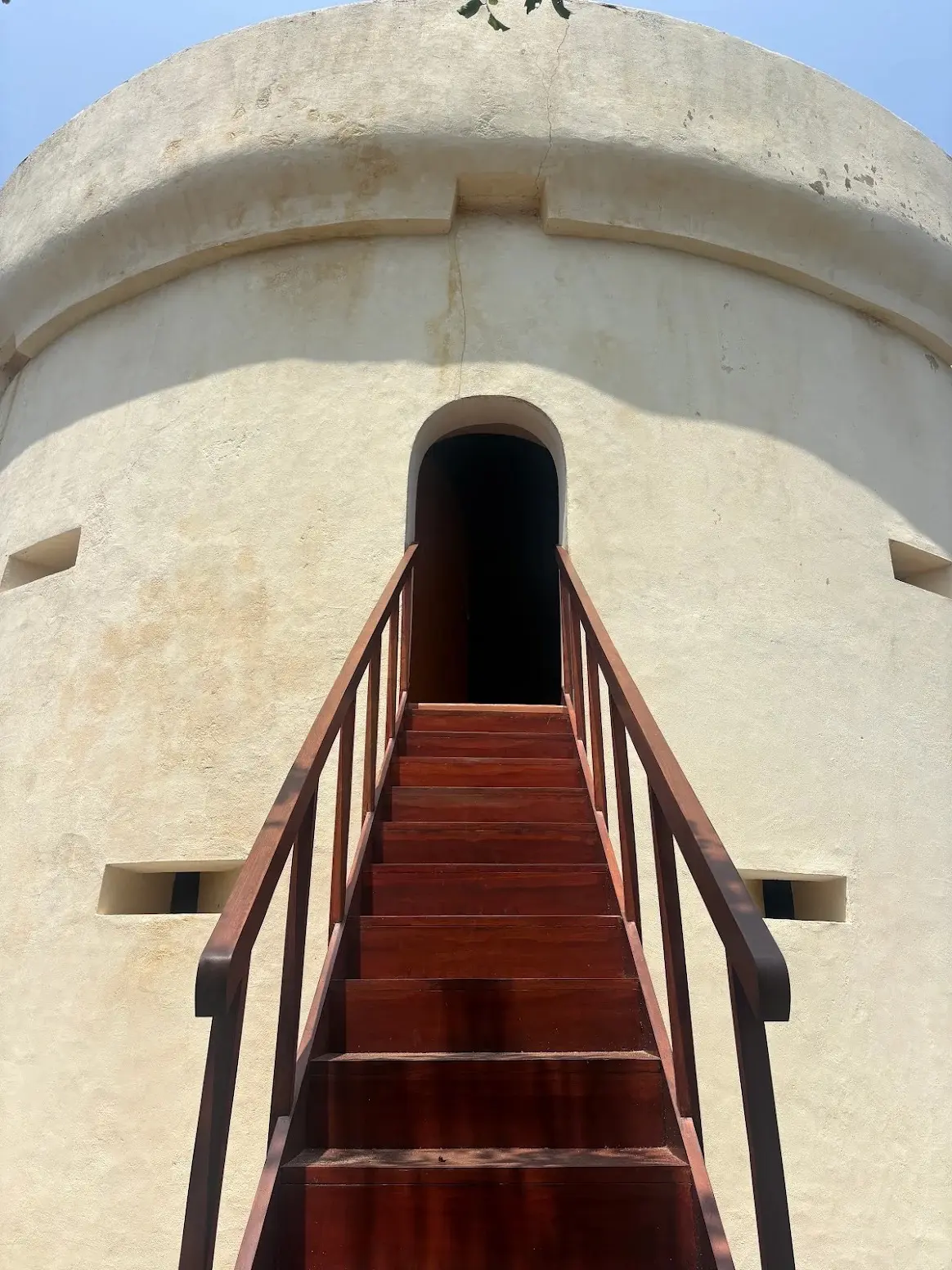
The Martello Tower
Built as part of Britain's coastal defences in the early 19th century, the circular Martello Tower still stands above Hambantota. Climb up towards the tower in the late afternoon and you can see ships entering and exiting the Hambantota Port. The view from here is priceless and cannot be seen anywhere else in Sri Lanka. And as the sun begins to fall, Hambantota turns gold.
03
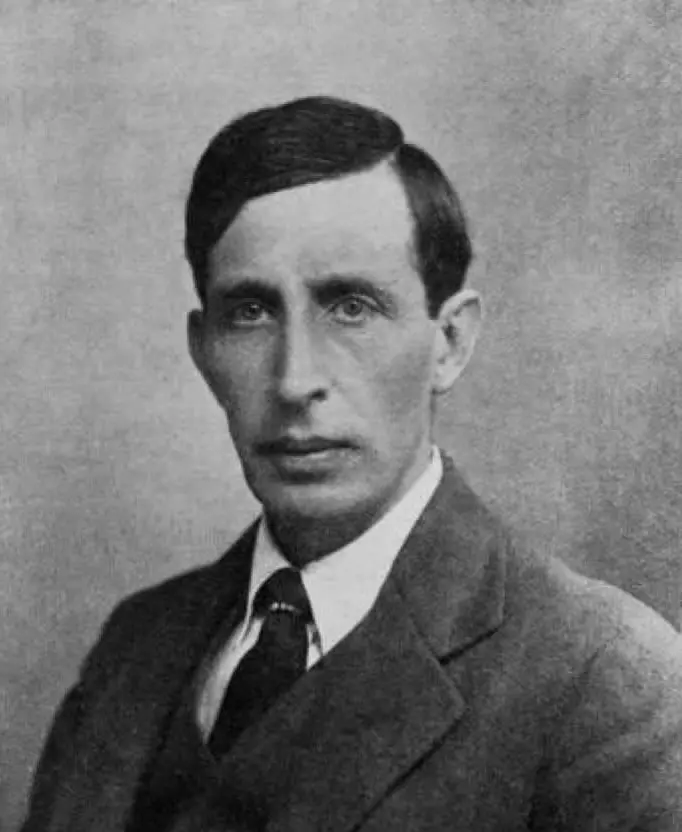
Leonard Woolf
The famous writer of the novel “Village by the Jungle” (Baddegama).
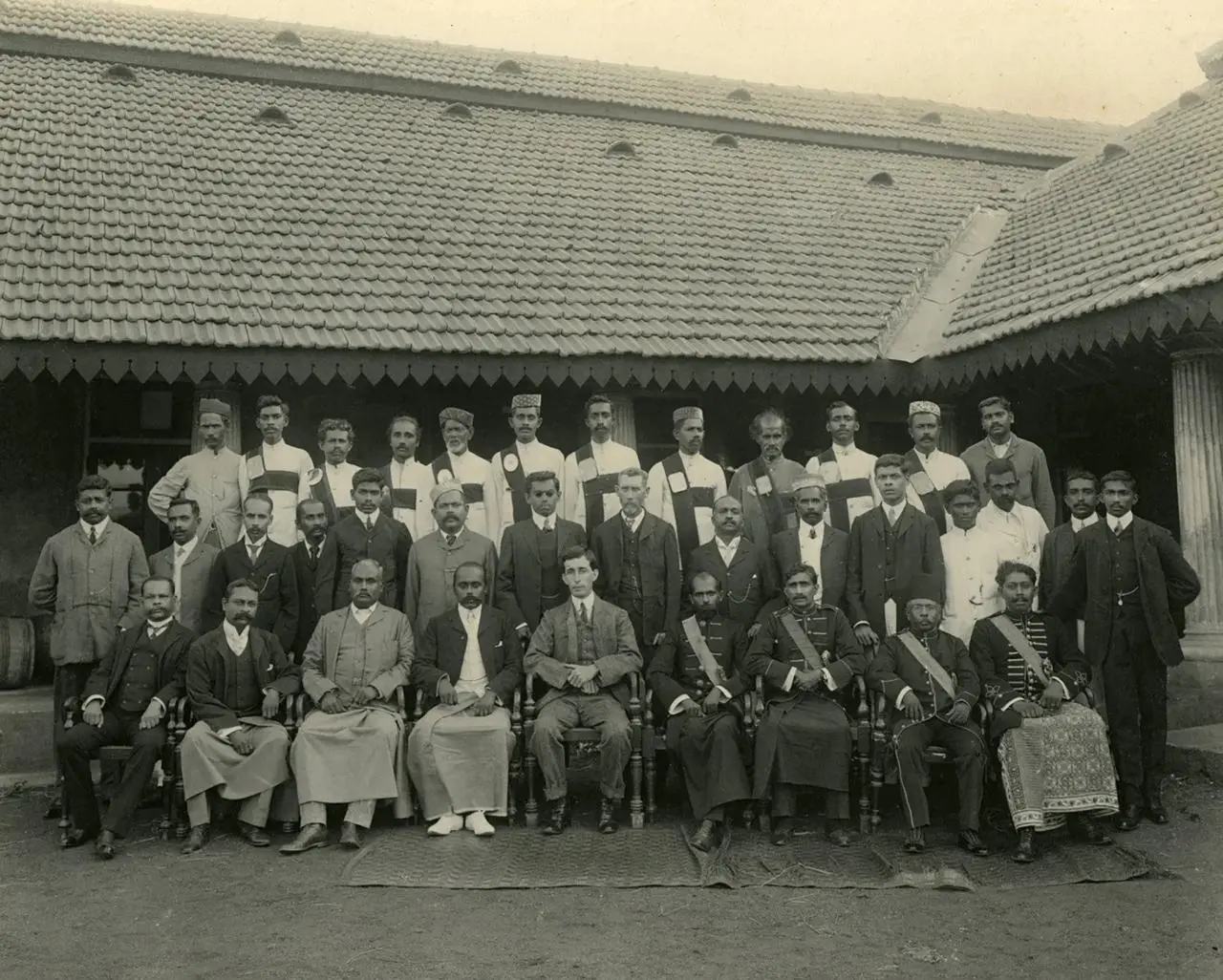
Leonard Woolf arrived in Hambantota as a young British civil servant. From 1908 to 1911, he served as Assistant Government Agent of Hambantota and lived in the Government Agent's bungalow closeby. His experiences in Ceylon later found their way into his writing, most famously The Village in the Jungle.
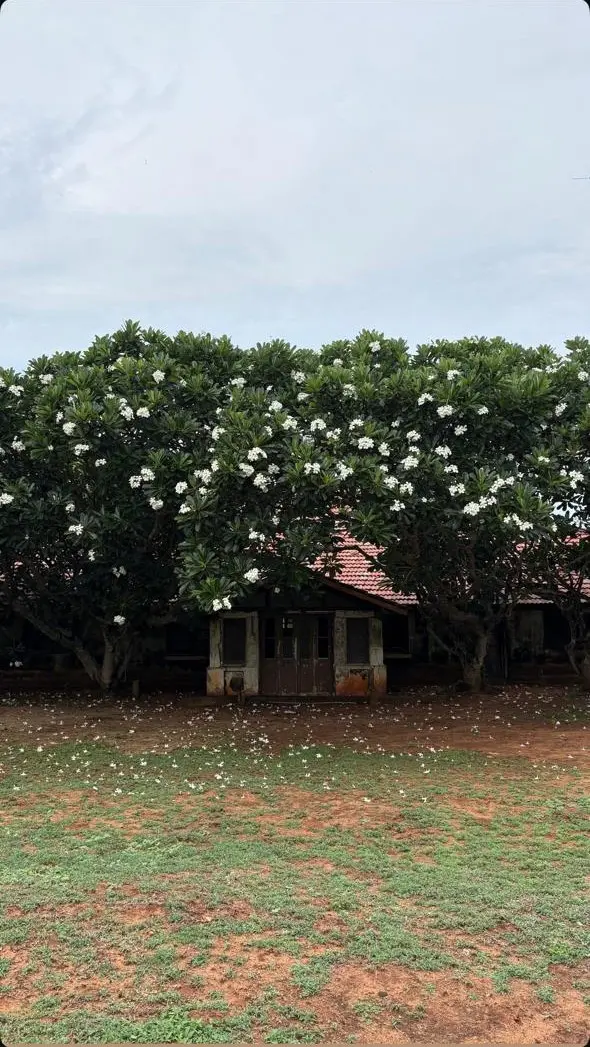
He came here as an administrator. He left with stories to tell. Just beyond the Rest House stands the former Government Agent's bungalow associated with Leonard Woolf. His former office still stands next to his house and is now turned into a museum.
04
The Old Courthouse
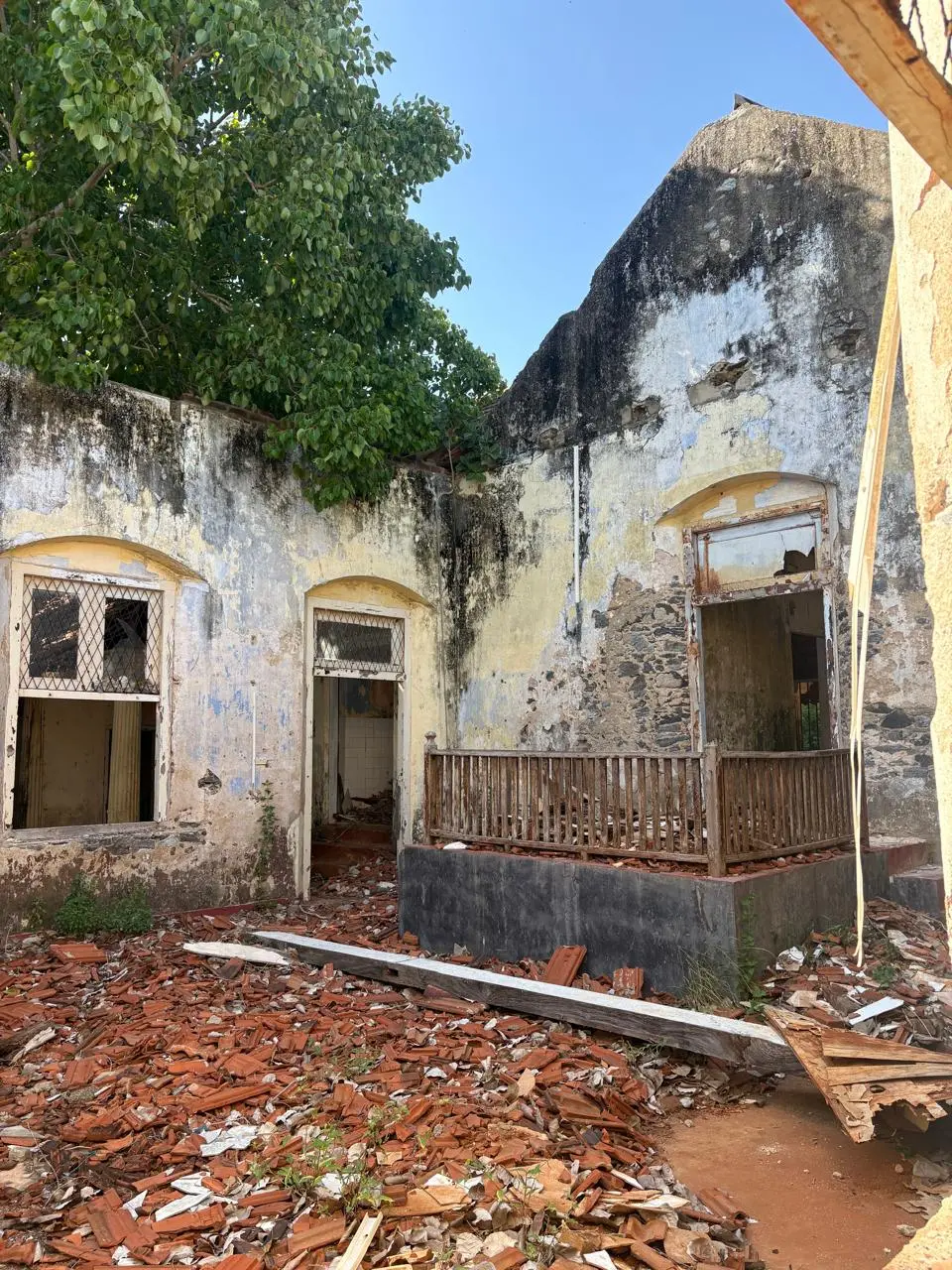
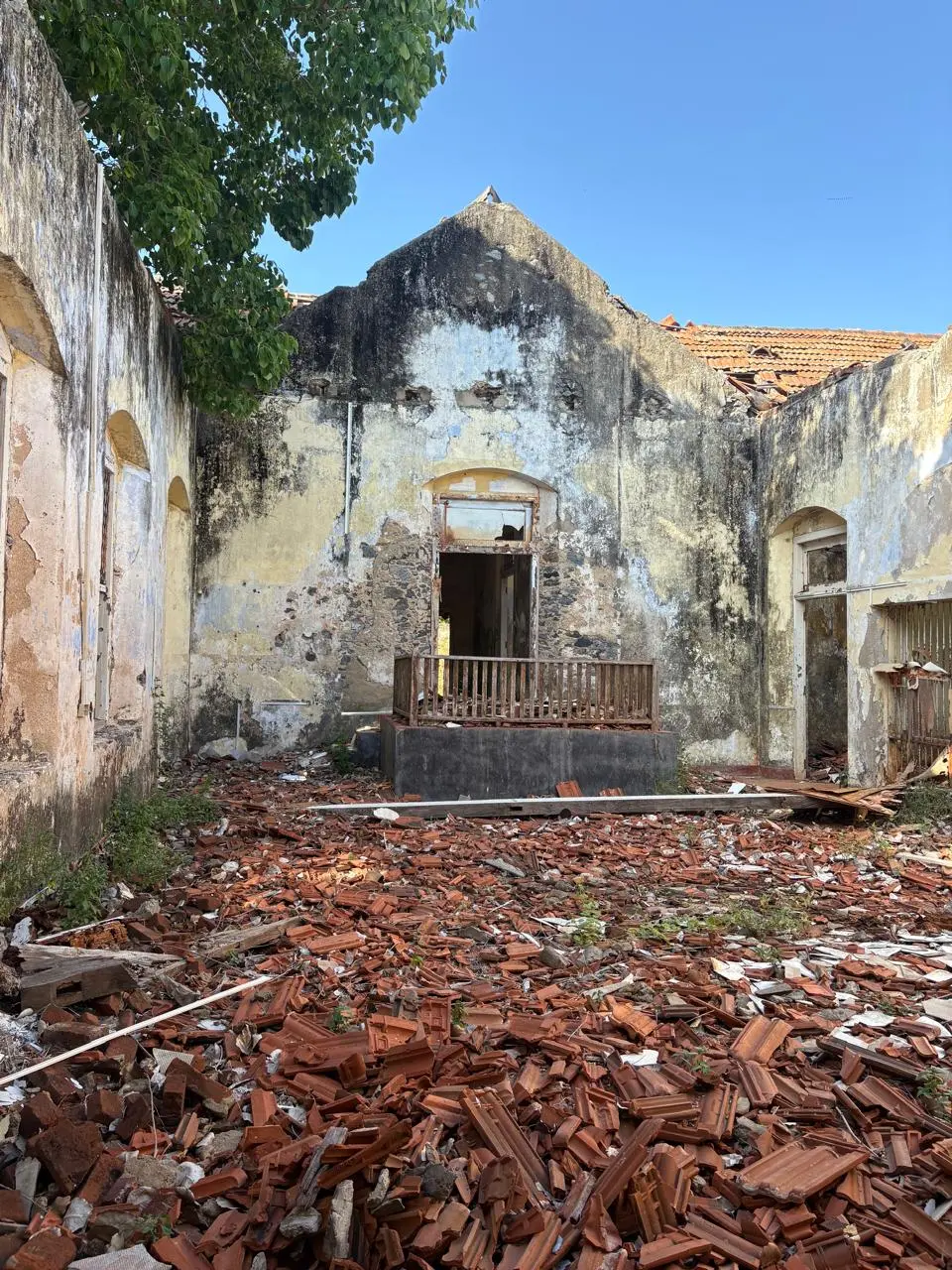
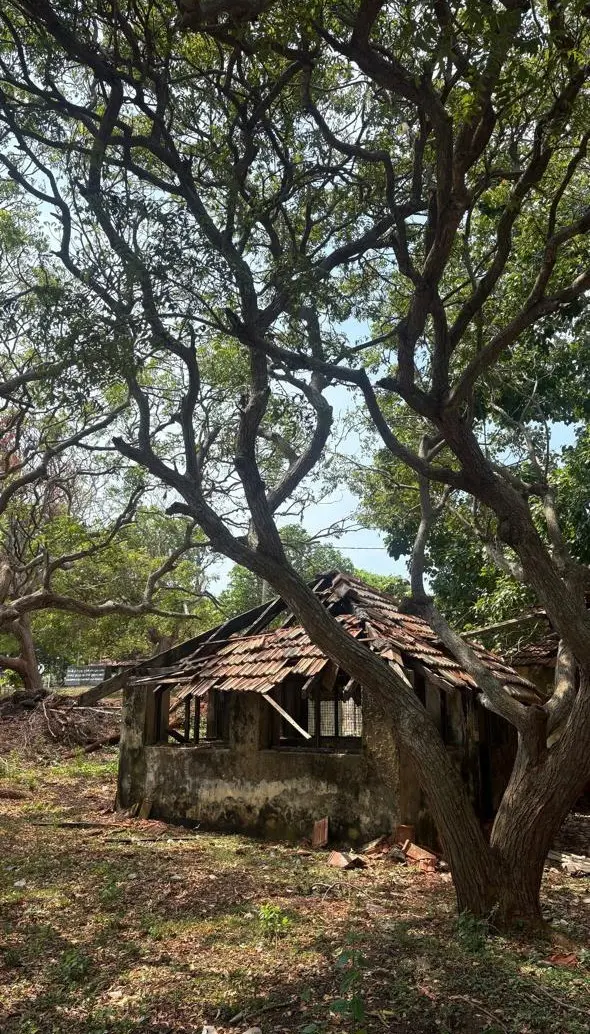
Just beyond the Rest House stands Hambantota's old courthouse, a quiet reminder of the town's colonial past. Built during the British period, the building was once part of the administrative life of old Hambantota. Today, its weathered walls and historic character remain part of the landscape, connecting the Rest House to the stories and places that shaped the town.
05
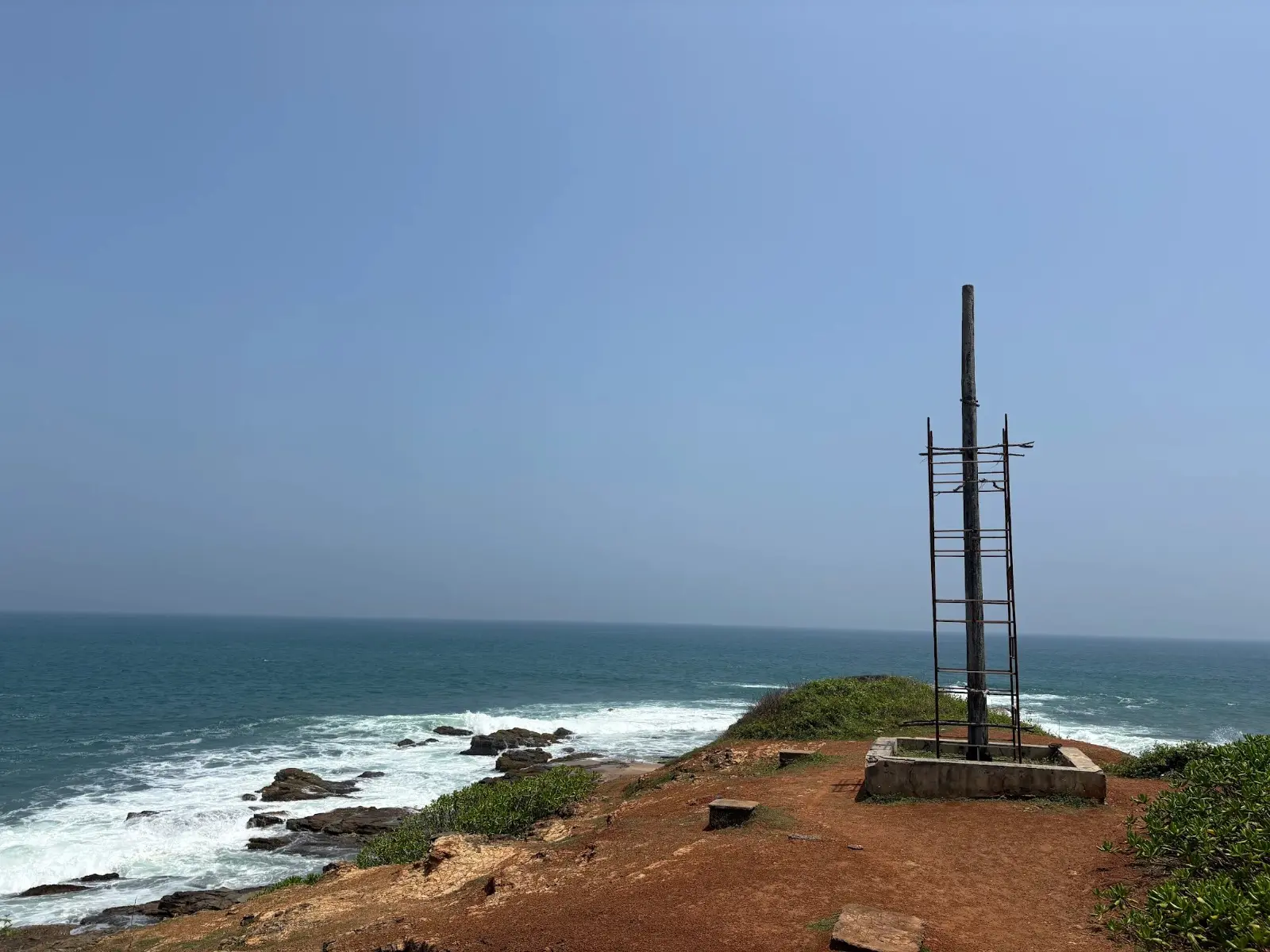
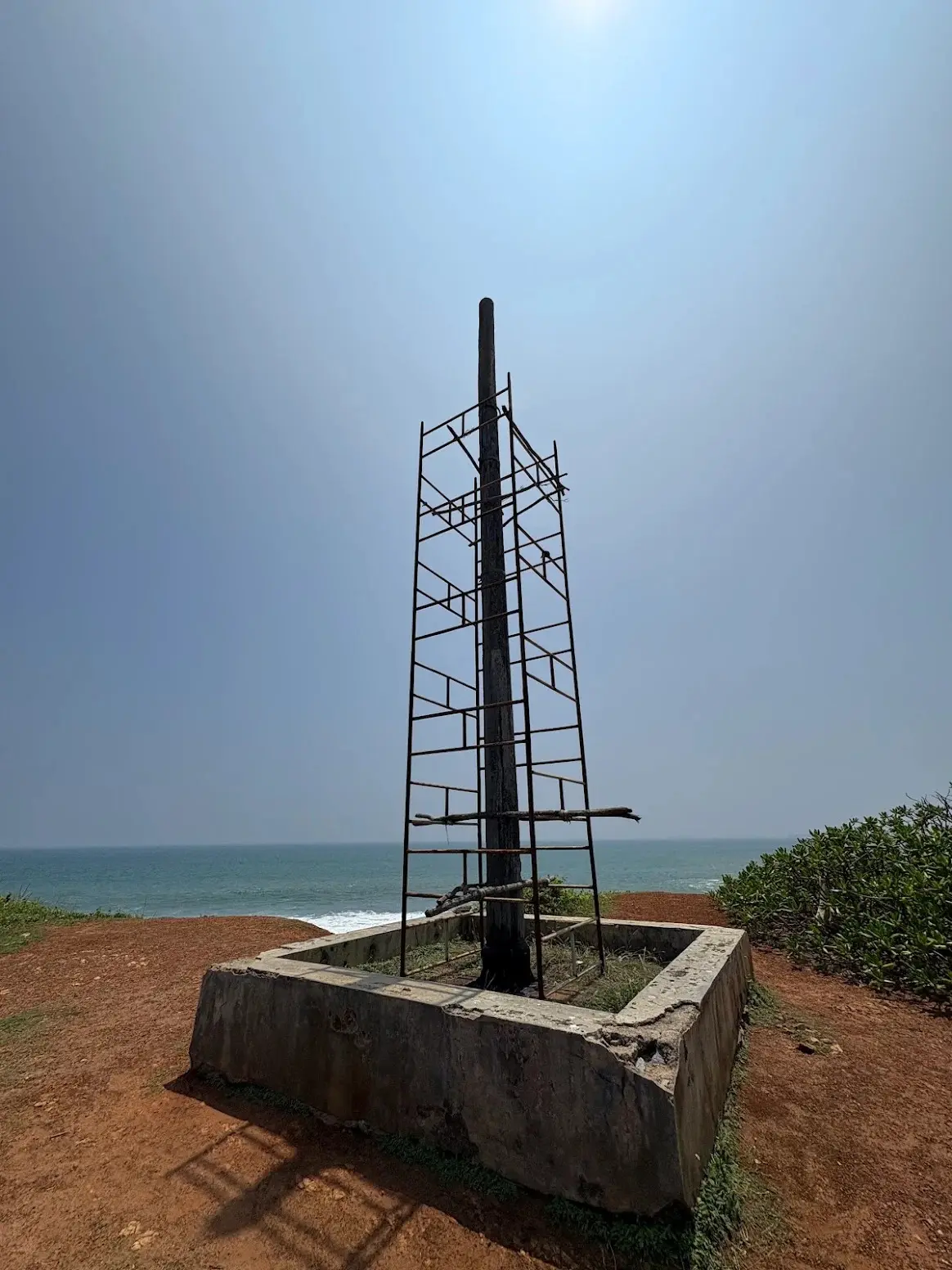
The Colonial Gallows
A darker chapter.
Among the old landmarks stands the historic Gallows Tree — a solitary reminder of the harsher side of British colonial rule. It stands quietly today, overlooking the sea. The gallows are associated with the early 19th-century colonial period and the aftermath of the Uva-Wellassa rebellion.